
Cold Weather Recommendations for Tartu Maraton (–20°C or Colder at the Start)
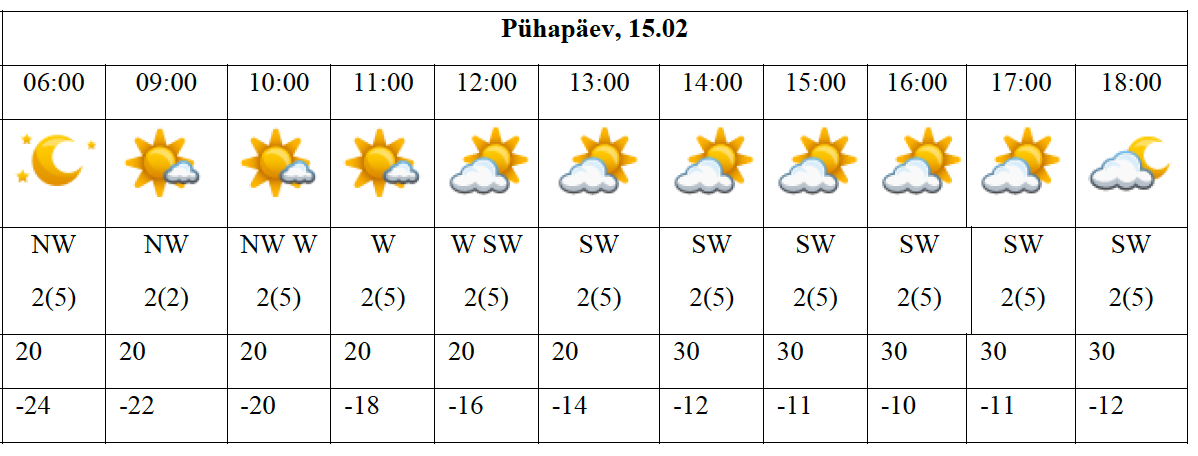
Extremely low temperatures are expected in Southern Estonia on Sunday morning. The coldest conditions will affect the start of the 63 km CT race. On Saturday and later on Sunday, temperatures are expected to be milder (around –12°C).
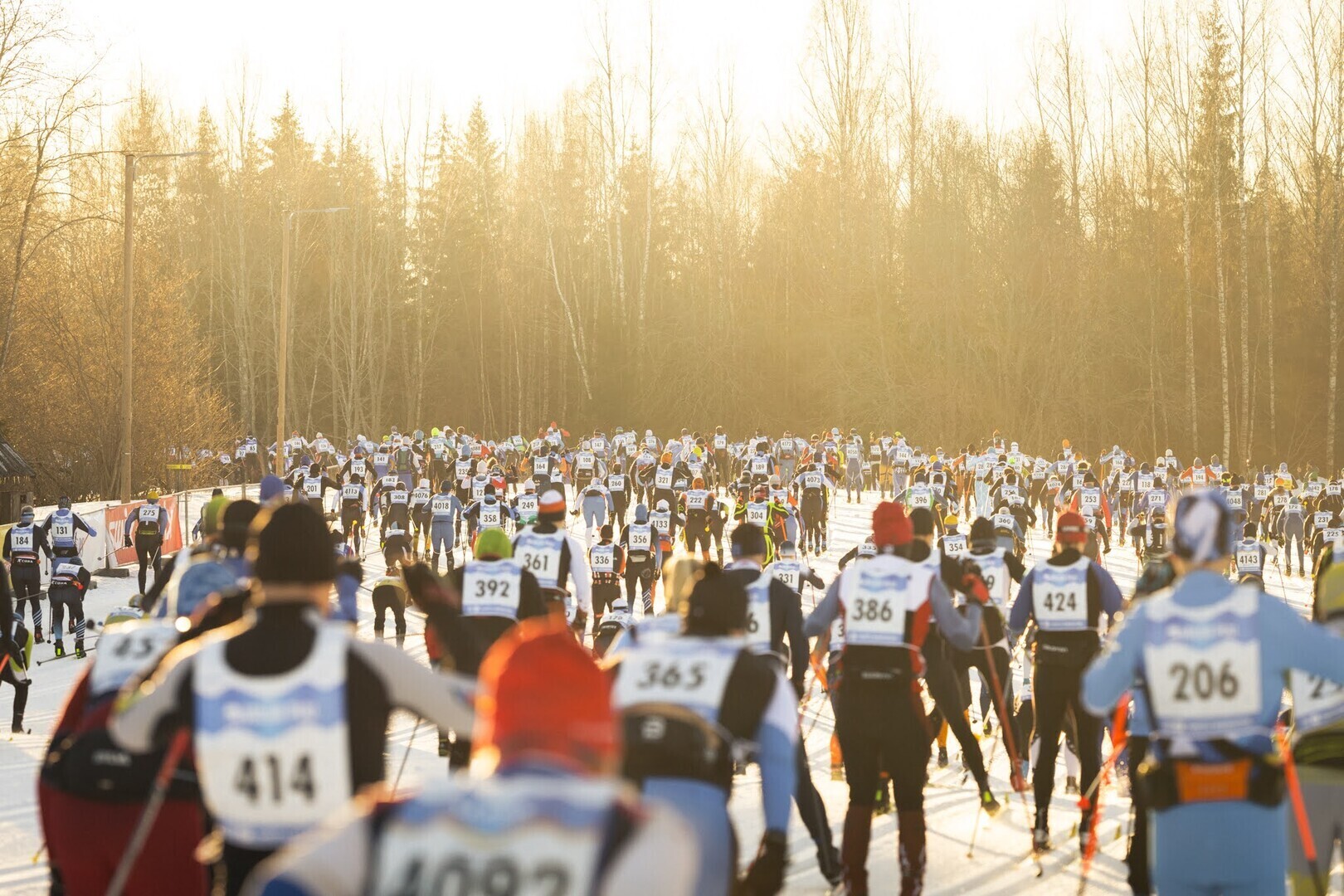
Here are the recommendations how to prepare for skiing in cold weather and what to keep in mind on the marathon course. Proper clothing and good preparation help ensure a safe and enjoyable experience even in freezing winter conditions.
Clothing Recommendations
Layer 0:
A short-sleeved moisture-wicking shirt or other base layer (taping the nipples is recommended) + base (ski) tights, preferably with wind protection.
Layer 1:
The first full base layer – long underwear made of fast-drying synthetic sports material (not cotton).
Layer 2:
A second long base layer – again, fast-drying synthetic material (not cotton). For extra protection in key areas, you may place newspaper between the layers at the chest and front of the thighs.
Layer 3 – for more competitive skiers:
A racing suit and/or a lighter training suit (jacket and pants), with at least the back panel breathable. If wearing a racing suit, an additional high-quality microfleece jacket designed for sports can be added. A zip allows regulation of ventilation and moisture release.
Layer 3 – for recreational skiers:
A warmer windproof (Windstopper-type) training suit (jacket and pants). A vest can also be added if needed. With this option, wearing two pairs of long base layer pants is likely unnecessary.
 Additional Recommendations
- Wash your feet in the morning so they are clean and completely dry. When putting on your ski boots, wear fresh, dry socks that are slightly warmer than usual. (Wearing multiple pairs of socks does not necessarily make your boots warmer if there is too little room for your toes.) Use boot covers over your ski boots.
- Regular ski gloves – NO (at least not without liner gloves or unless they are exceptionally warm).
- Mittens or “lobster” gloves (two-finger gloves) – YES.
- Wear a buff (neck tube) or ski face mask (also available in motorcycle shops), but do not cover your mouth tightly. Choose a thicker hat (a double-layer hat is not recommended if worn over a buff). If wearing a thinner hat, you may add a headband underneath to better protect your forehead. The buff should also protect your neck, back of the head and cheeks.
- Wear glasses to protect your eyes. Apply a rich cold-protection cream to your ears, nose and cheekbones, or cover them with medical tape if necessary.
- If you plan to start in lighter racing clothing, bring a large plastic bag to the start corridor, cut holes for your head and arms, and remove it just before the start.
- More cautious participants may also carry an emergency thermal blanket (mandatory in every car first aid kit) as well as spare dry gloves and a hat.
- Please clearly mark all outer layers that you may remove during the race with your bib number or name (for example, using masking tape). This allows items left at service points to be identified and later collected from the marathon office.
What else to keep in mind
- Cold conditions significantly increase energy expenditure, which may lead to faster-than-usual fatigue or even the need to withdraw from the race.
- In very low temperatures, ski waxing can also be more challenging (glide may be reduced), which further increases energy consumption.
- While skiing, regularly check that you can feel your fingers and toes inside your gloves and boots.
- Keep an eye on fellow participants as well.
- At the start, the pace is slow at first. If cold air gets inside your clothing during this time, it may affect your entire race. Please also note that the first service point is located in an open field.
- The emergency number for Tartu Maraton events is 112. If you are in difficulty or notice someone in need of assistance, call 112 and state that you are on the marathon course. You will be connected to the medical operations centre, which will dispatch help. Be prepared to describe your location (distance remaining and the last service point you passed).
- Please note that in extreme cold, your mobile phone must be kept warm in order to function properly.
Prepared by: Club Tartu Marathon
13.02.2026